 Skip to content

Altitude in Cusco: How to Prepare and Enjoy Your Trip
Traveling to the Andes is a dream for many, but there is one factor that makes travelers nervous: the elevation. Cusco is not just famous for its Inca walls and colonial architecture; it is also known for its thin air.
Located high in the Andes Mountains, this city is the gateway to Machu Picchu and a treasure trove of culture. However, altitude sickness (known locally as Soroche) can affect anyone, regardless of age or fitness level. The good news is that with the right preparation, you can explore Cusco without any issues. Here is everything you need to know to stay healthy and make the most of your adventure.
Understanding the Elevation of Cusco
Many travelers assume that Machu Picchu is the highest point of their trip, but they are often mistaken. The city of Cusco actually sits significantly higher than the famous citadel.
- Cusco Elevation: 3,399 meters (11,152 feet) above sea level.
- Machu Picchu Elevation: 2,430 meters (7,972 feet) above sea level.
- Sacred Valley (Urubamba): 2,871 meters (9,420 feet) above sea level.
Because you will likely fly directly into Cusco from Lima (which is at sea level), the sudden change in oxygen levels can be a shock to the body. This is why planning your itinerary carefully is crucial.
What is Altitude Sickness?
At high elevations, the air pressure drops, meaning there is less oxygen available for every breath you take. Symptoms can range from a mild headache and shortness of breath to nausea and dizziness. Most visitors to Cusco only experience mild symptoms that disappear after 24 hours of acclimatization.
5 Tips to Handle the Altitude in Cusco
To ensure your trip remains a happy memory rather than a headache, follow these essential tips used by locals and experts.
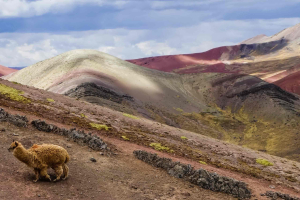
1. Acclimatize Gradually
Don’t plan a strenuous hike for your first day. When you land in Cusco, take it easy. Walk slowly, rest at your hotel, and let your body adjust. A popular strategy is to head directly to the Sacred Valley (which is lower) upon arrival and spend a night or two there before returning to sleep in Cusco city.
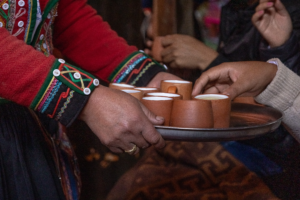
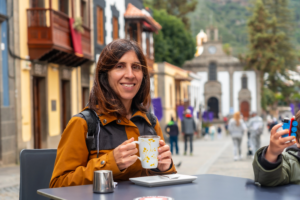
3. Hydrate, Hydrate, Hydrate
The air in the Andes is incredibly dry. You lose water faster than you realize through respiration. Drink more water than you usually would, and avoid alcohol for the first two days of your trip. Celebrating with a Pisco Sour is a must, but save it for when you are fully acclimatized!
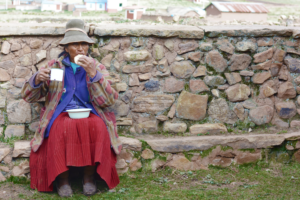
Why the Altitude Shouldn’t Stop You
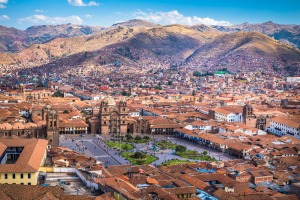
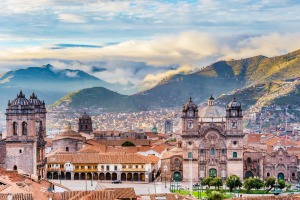
Don’t let the fear of heights deter you. The altitude is simply a part of the Andean experience. The breathtaking views of the Plaza de Armas, the intricate stone walls of Sacsayhuaman, and the warmth of the local people are worth a little shortness of breath. By respecting the elevation and listening to your body, your trip to Cusco will be an unforgettable experience.
Ready to explore the Andes? Columbus Ecuador can help you craft the perfect itinerary that combines the best of Ecuador and Peru, ensuring a safe and comfortable journey.
Frequently Asked Questions (FAQs)
Here are the most common questions travelers ask about the altitude and health in this region.
1. Exactly how high is Cusco?
Cusco is located at approximately 3,399 meters or 11,152 feet above sea level. It is one of the highest major cities in the world.
2. Is Machu Picchu higher than Cusco?
No. Surprisingly, Machu Picchu is lower than the city of Cusco. The citadel is at about 2,430 meters (7,972 feet), which is why many people feel better once they arrive at the ruins.
3. How long does altitude sickness last?
For most people, symptoms are mild and last between 12 to 24 hours. Once your body produces more red blood cells to compensate for the lower oxygen, you will feel much better.
4. Do hotels in Cusco have oxygen?
Yes, most 3-star hotels and above in Cusco provide complimentary oxygen tanks or “oxygen bars” in the lobby for guests who are feeling unwell.
5. Is it hard to breathe in Cusco?
You might feel “out of breath” faster than usual, especially when walking up stairs or hills. This is normal. Just stop, take a deep breath, and walk at a slower pace.
6. Can I drink alcohol in Cusco?
You can, but it is recommended to wait until your second or third day. Alcohol dehydrates you and can mask or worsen the symptoms of altitude sickness.
7. Should I go to the Sacred Valley first?
Yes, this is a pro tip. Because the Sacred Valley is lower than Cusco city, going there immediately upon arrival allows your body to acclimatize more gently before sleeping in the higher altitude of the city.
8. Is tap water safe to drink in Cusco?
No, you should not drink tap water in Peru. Always drink bottled or purified water to avoid stomach issues, which can compound the effects of altitude sickness.
Conclusion
Cusco’s high elevation is an undeniable physical challenge, but it is by no means a barrier to experiencing the magic of the Andes. The secret to a successful trip lies not in peak physical fitness, but in patience and preparation: respecting the acclimatization period, staying hydrated, and listening to your body’s signals will turn potential discomfort into a minor footnote. By following these expert tips, you ensure that your only real concern is soaking in the majesty of the Inca Empire and the vibrant energy of the Imperial City.