 Skip to content

Otavalo Market Ecuador: A Cultural Masterpiece in the Heart of Imbabura
In the northern highlands of Ecuador, nestled between three volcanoes, lies the town of Otavalo. Its heart, the Plaza de los Ponchos, is home to the Otavalo Market Ecuador, a place where time seems to slow down and the ancient traditions of the Kichwa Otavalo people come to life in a burst of color and sound.
For the traveler, Otavalo is not just a place to buy souvenirs; it is a gateway into the soul of the Andes.
The Legacy of the Master Weavers
The Otavaleños are world-renowned for their weaving. This tradition dates back to pre-Inca times when the local people used backstrap looms to create clothing from cotton and camelid fibers. During the colonial era, the Spanish introduced sheep and treadle looms, leading to the creation of “obrajes” (textile workshops).
Today, the people of Otavalo have successfully combined these ancient techniques with modern business savvy, exporting their textiles to every corner of the globe. When you walk through the market, you aren’t just looking at blankets; you are looking at a living heritage that has survived centuries of change.
Navigating the Plaza de los Ponchos
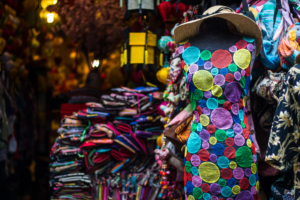
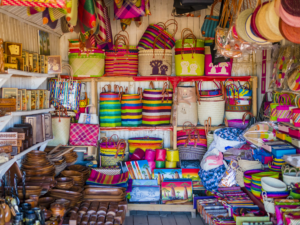
While the market is open every day, Saturday transforms the entire town into a sprawling bazaar. Here is what you can expect to find:


A Taste of Otavalo: The Food Scene
No visit to the Otavalo Market is complete without exploring its culinary side.
- Hornado: Slow-roasted pork served with llapingachos (potato cakes) and mote (hominy corn).
- Chicha del Yamor: A fermented corn drink traditional to the region, especially during the September festivals.
Bizcochos: While technically from the nearby town of Cayambe, these buttery biscuits are a staple snack for anyone traveling to the market.

Beyond the Market: The Imbabura Province
Columbus Ecuador recommends extending your stay to explore the surrounding treasures:
- Peguche Waterfall: A 10-minute drive from the market, this waterfall is a sacred site used for ritual cleansing during the Inti Raymi (Sun Festival).
- Cotacachi: Known as the “Leather Capital” of Ecuador, this nearby town offers high-end jackets, boots, and bags at incredible prices.
Cuicocha Lake: A deep blue crater lake with two islands in the middle, offering a stunning 4-hour trekking loop for nature enthusiasts.

FAQs: Otavalo Market Ecuador
Here are the most common questions travelers ask about Otavalo Market Ecuador
.
- How do I get there from Quito? It’s a scenic 2-hour drive north. The route takes you past the Equator line and offers beautiful views of the Imbabura province.
- Which is the best day to visit the Otavalo Market? Saturday is the “big day” when the market spills out into the surrounding streets and includes a livestock market. However, if you prefer a quieter experience, the market is open every day, with Wednesday being the second largest day.
- Is it safe to carry cash? The market is generally safe, but like any crowded place, you should be mindful of your belongings. Small denominations ($1, $5, $10) are best, as vendors often struggle with $20 or $50 bills.
- What is the best way to interact with the locals? A simple “Mashi” (friend in Kichwa) or “Buenos días” goes a long way. Always ask for permission before taking close-up photos of the people.
- What should I buy at Otavalo Market Ecuador? Look for 100% alpaca wool products, hand-painted tagua nut carvings (vegetable ivory), and authentic Panama hats (which are actually made in Ecuador!).
- How do I identify high-quality alpaca wool? Real alpaca feels cool to the touch and has a heavier weight than synthetic acrylic. If it feels too “fluffy” or static-y, it’s likely a blend.
- How long should I spend in Otavalo? While a day trip from Quito is possible, we recommend at least 2 days to truly soak in the culture and visit the surrounding lakes and workshops.
- Is it okay to haggle (bargain) on prices? Absolutely! Bargaining is expected and part of the social interaction. Always be respectful; a good rule of thumb is to ask for a “discount” if you are buying multiple items.