 Skip to content

The Ultimate Expedition to Cotopaxi Volcano: A Journey to the Peak of the Andes
The Cotopaxi Volcano is not just a geographical landmark; it is a symbol of Ecuador’s raw, untamed beauty. Rising majestically to 5,897 meters (19,347 feet) above sea level, it stands as one of the highest active volcanoes in the world. Its perfectly symmetrical cone, covered in a thick mantle of glacial ice, creates a silhouette that has inspired explorers, scientists, and artists for centuries.
When you travel with Columbus Ecuador, a visit to The Cotopaxi National Park is more than a simple tour—it is an immersion into a high-altitude ecosystem that feels like a different world.
The Geology and History of a Giant
Cotopaxi is a stratovolcano, formed by layers of hardened lava and volcanic ash. Its history is marked by power; since 1738, it has erupted more than 50 times. These eruptions have shaped the surrounding landscape, creating the fertile valleys and the unique “lahar” (mudflow) deposits that define the park’s terrain today.
The volcano is a central figure in Andean mythology. To the indigenous peoples, the “Taita” (Father) Cotopaxi was a protective yet fearsome deity. Today, it remains a vital part of the local economy, feeding the rivers that provide water to the valleys below.
Exploring Cotopaxi National Park: Key Landmarks
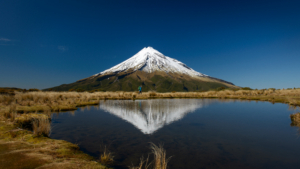
1. Limpiopungo Lagoon: The Mirror of the Andes
Located at 3,800 meters (12,467 feet), this glacial lake is the starting point for most visitors. On a clear day, the lagoon acts as a perfect mirror for the volcano. It is a paradise for birdwatchers; here you can spot the Andean Teal, the Silvery Grebe, and if you are lucky, the majestic Andean Condor soaring above the peaks. The trail around the lagoon is flat and accessible, making it an ideal spot for acclimatization.
2. The Jose Rivas Refuge (4,860m / 15,945ft)
For those looking to test their lungs, the hike to the refuge is the highlight. The path, often called the “Screw” (El Tornillo) due to its zigzag shape, is a challenging walk through volcanic scree. Reaching the refuge is a feat of endurance. Once there, you can enjoy a bowl of traditional potato soup or a hot chocolate while watching the clouds drift below your feet.

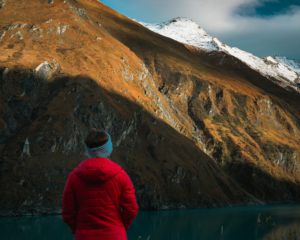
3. The Glacier: The Edge of Eternal Ice
Just a 45-minute hike above the refuge lies the base of the glacier. Standing at the edge of this massive ice wall is a humbling experience. It is a stark reminder of the effects of climate change, as the glacier has significantly receded over the last few decades, yet its power remains undeniable.
Adventure Activities: More Than Just Hiking
- Mountain Biking: One of the most thrilling experiences in the Andes. Many travelers choose to drive up to the high parking lot and descend on a mountain bike through the volcanic plains, feeling the vastness of the lunar landscape as they glide down.
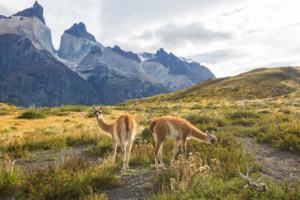
- Wildlife Observation: The park is a sanctuary for unique Andean species. Walking quietly through the paramo (high-altitude grasslands) is the best way to spot the white-tailed deer that frequently roam the protected areas, as well as the elusive Andean fox and various high-altitude birds.
- Climbing to the Summit: For professional climbers, the ascent to the peak of Cotopaxi is a technical but rewarding challenge. It requires specialized gear—including an ice axe and crampons—and a midnight start to reach the crater at sunrise for a view above the clouds.
Preparing for the Altitude: Tips from Columbus Ecuador
The biggest challenge at Cotopaxi is the thin air. We recommend:
- Acclimatization: Spend at least 48 hours in Quito (2,850m) before heading higher.
- Hydration: Drink double the water you normally would.
- Nutrition: Eat light, high-carb meals.
Dress Code: The “onion” method—wear multiple layers (base, thermal, windbreaker) that you can peel off as you move.
FAQs: Everything You Need to Know
Here are the most common questions travelers ask about Expedition to Cotopaxi Volcano
.
- How far is Cotopaxi Volcano from Quito? It’s about 50 miles (80 km) south. The drive takes approximately 1.5 to 2 hours, making it one of the best day trips from the capital.
- What is the best time of year to visit? While the park is open year-round, the “dry season” (June to September) usually offers the clearest views of the peak. However, the Andes are unpredictable, so always be prepared for wind and rain.
- Do I need to worry about altitude sickness? Not necessarily. Quito sits at about 2,850 meters (9,350 ft) above sea level, and most travelers adjust very well with a little time to acclimate. We usually recommend spending a couple of days in Quito before visiting higher elevations, which allows your body to adapt comfortably.To help with the adjustment, simply stay well hydrated, take things easy on your first day, and enjoy a light meal. Many travelers also enjoy trying a traditional herbal tea such as sunfo or ginger tea, which are commonly used in the Andes and can help you feel even more comfortable at altitude.
- Is the volcano currently active? Yes, Cotopaxi is one of the world’s highest active volcanoes. Its activity is closely monitored by geologists, and the park is only open when it is safe for visitors.
- Is it safe to visit an active volcano? The IGEPN (Geophysical Institute) monitors Cotopaxi 24/7. Access is only permitted when the alert level is low.
- Can children and seniors visit? Yes! While the hike to the refuge is strenuous, the Limpiopungo Lagoon and the visitor center are accessible to everyone.
- What is the “Avenue of the Volcanoes”? It is a term coined by Alexander von Humboldt in 1802 to describe the two parallel mountain ranges in Ecuador that house over 30 volcanoes.
- Do I need special boots? For the refuge hike, sturdy hiking shoes with good grip are essential due to the slippery volcanic sand.