 Skip to content

The Soul of the Andes: Exploring the Quilotoa Loop and Cotopaxi
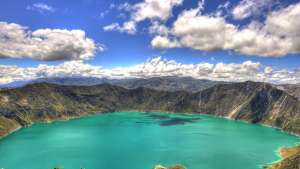
Ecuador is a territory defined by its dramatic verticality and geological power, and nowhere is this more evident than along the legendary Quilotoa Loop. This high-altitude journey takes the modern explorer through the rugged heart of the Ecuadorian Andes, where the golden grasslands of the paramo meet the sheer, jagged cliffs of ancient volcanic calderas. The centerpiece of this extraordinary adventure is the Quilotoa Lagoon, a massive crater filled with mineral-rich turquoise water that shifts through shades of emerald and deep sapphire as the equatorial clouds move across the vast, thin sky. For those looking to experience this natural wonder alongside the iconic, snow-capped cone of the Cotopaxi Volcano, the 2 Days Cotopaxi and Quilotoa Loop adventure is the definitive way to witness the raw, untamed power of the Ecuadorian Sierra.
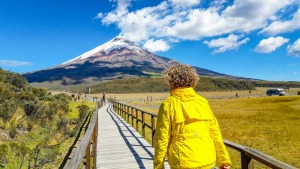
The experience typically begins within the boundaries of the Cotopaxi National Park, which protects one of the highest active volcanoes in the world. Walking across the Limpiopungo Lake at the foot of the massive mountain, travelers can observe Andean gulls, teal ducks, and white-tailed deer grazing near the shore against a backdrop of ancient lava flows that have solidified over centuries. The transition from the icy glaciers of Cotopaxi to the hidden villages of the Quilotoa region is a journey through time itself, where traditional Kichwa culture remains the vibrant heartbeat of the mountains. Visiting the local markets and talking to the local artists who create the famous Tigua paintings provides a cultural depth that goes far beyond the physical landscape. The final reward of the journey is standing on the wind-swept rim of the Quilotoa crater, feeling the cold air of the high Andes before beginning the winding descent to the waters edge, a moment that captures the true essence of beautiful Ecuador.
Cultural Heritage and the High Altitude Landscape
One of the most fascinating aspects of the Quilotoa region is the resilience of the communities that inhabit these heights. Agriculture remains a cornerstone of life here, with vertical crops of potatoes, quinoa, and fava beans clinging to the steep hillsides. As you traverse the loop, you will notice the traditional chozas, or thatched-roof houses, that have protected Andean families from the freezing night temperatures for generations. This human element adds a layer of profound meaning to the trek, turning a simple sightseeing tour into an immersive cultural pilgrimage. At Columbus Ecuador, we prioritize these authentic connections, ensuring that our guests do not just see the volcano and the lagoon, but understand the delicate balance between the people and the volcanic earth they call home.
FAQs: Quilotoa Loop and Cotopaxi
Here are the most common questions travelers ask about Quilotoa Loop and Cotopaxi
Is the hike back up from the Quilotoa Lagoon shore difficult for average travelers?
The descent to the shore is relatively easy and takes about thirty minutes on a sandy path, but the climb back up to the rim at nearly 4,000 meters is physically demanding due to the thin oxygen and steep incline. It is important to note that travelers must choose between hiking the loop around the crater rim or descending to the lagoons edge, as performing both activities is not feasible within the tours timeframe. While animal transport services exist in the area, Columbus Ecuador does not offer or promote the use of mules for the ascent out of respect for animal welfare and responsible tourism practices. We always recommend taking frequent breaks, breathing deeply, and staying well-hydrated to mitigate the effects of the high altitude during the climb.
Can I realistically see both the Cotopaxi volcano and the Quilotoa lagoon in one weekend?
Yes, our curated tour is specifically designed to maximize your time by bridging these two iconic landmarks in a seamless 2-day itinerary. By staying overnight in a traditional mountain lodge or a historic highland hacienda, you get to experience the peaceful, mystical atmosphere of the Andes after the day-trippers have returned to the city. This allows for a much deeper and more personal connection with the landscape, providing the perfect opportunity for stargazing under the clear equatorial skies and enjoying a warm locro de papa by a crackling fireplace. Whether you choose the cozy atmosphere of a lodge or the colonial heritage of a hacienda, the overnight stay is essential to fully absorbing the spirit of the Ecuadorian mountains.
What kind of clothing is essential for the Quilotoa Loop?
The weather in the high Andes is notoriously unpredictable and can change from intense sun to freezing rain in minutes. We recommend a layered approach, including a thermal base, a warm fleece, and a high-quality waterproof windbreaker. Sturdy hiking boots with good ankle support are also critical for navigating the sandy and rocky terrain of the crater rim.
Are there any specific health precautions for high altitude travel?
We suggest spending at least twenty-four hours in Quito to acclimatize before heading higher into the mountains. During this first day, we recommend staying in motion with a gentle activity, such as a city tour of Quitos historic center, to help your body adjust to the elevation. Drinking plenty of fluids, eating light meals, and avoiding alcohol for the first few days will significantly help your body adapt to the lower oxygen levels. Our guides are professionally trained to monitor guests for any signs of altitude sickness and will always ensure that the pace of the hike is comfortable and safe for everyone in the group.
What makes the Tigua paintings so significant to this region?
Tigua art is a traditional form of painting on sheepskin that depicts the myths, festivals, and daily life of the Andean people. These colorful works of art are a vital part of the local economy and provide a window into the spiritual world of the Kichwa communities. Purchasing a Tigua painting is a wonderful way to support local artisans and take home a piece of the Ecuadorian soul.